
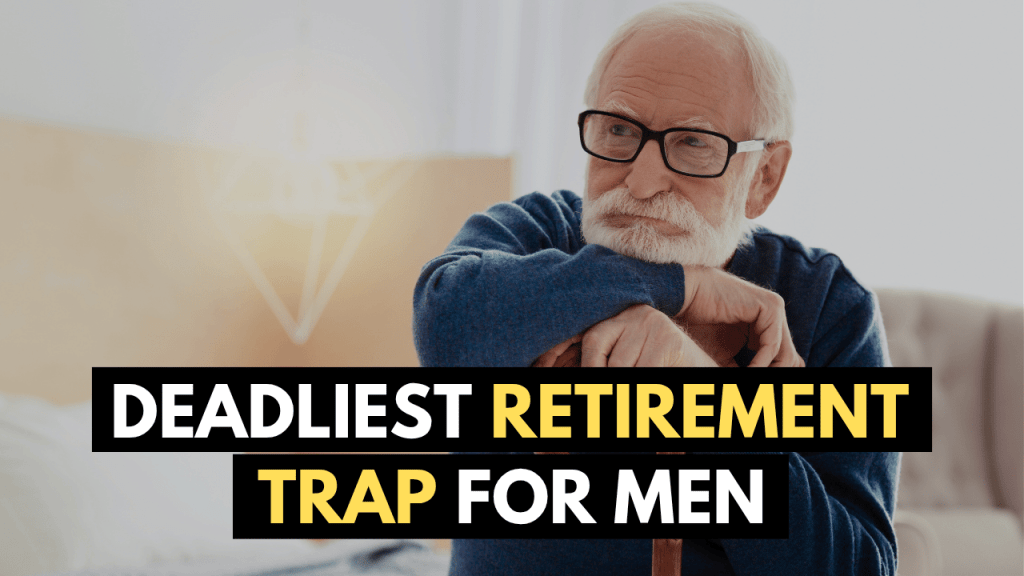
Retirement sounds peaceful in theory. No alarm clocks. No stressful meetings. No long commutes. Just freedom.
But for a lot of men, retirement quietly turns into something completely different. Something dangerous that almost nobody warns them about.
And surprisingly, the problem is not money.
It’s loneliness.
A lot of retired men slowly lose their sense of purpose, daily routine, close friendships, and social connection after leaving work. Then, over time, they begin drifting through life without even realizing it.
That’s the real retirement trap.
And honestly, it’s affecting way more men than people think.
Why Retirement Can Feel Empty for Many Men?
Most men spend decades building their lives around work.
Work gives structure. It gives purpose. It gives people to talk to every day. Even if someone doesn’t love their job, they still have routines, responsibilities, conversations, and human interaction built into life.
Then retirement suddenly changes everything.
One day you’re busy all week. The next day, your calendar is almost empty.
At first, that freedom may feel relaxing. But after some time, many retirees begin feeling disconnected. Days start blending together. The excitement slowly disappears.
This is what many people call “retirement drift.”
It’s that feeling of floating through retirement without direction, purpose, or meaningful connection.
And the scary part is that many men never talk about it.
The Silent Loneliness Many Retired Men Hide
One of the biggest problems is that many older men don’t even admit they feel lonely.
A lot of them were raised to believe they should stay tough, independent, and emotionally quiet. So instead of opening up, they simply keep everything inside.
They may spend most days alone watching TV, scrolling on their phone, or sitting at home without much interaction.
But because loneliness happens slowly, many people don’t notice how serious it becomes.
That’s why this issue is so dangerous.
In the transcript, the speaker shared a story about a man he used to see every Saturday at a golf club. The man would quietly sit alone, read a book, drink wine, and have lunch by himself every week for years.
Then one day, he stopped showing up.
Later, they found out the man had taken his own life.
That story is heartbreaking because from the outside, everything looked normal.
He had a family. He had routines. He looked calm and comfortable.
But internally, he was struggling alone.
The Shocking Reality About Men Over 65
One of the biggest points mentioned in the video is that men over 65 have one of the highest suicide rates in America.
Many people assume loneliness mainly affects teenagers or younger adults. But older men are actually one of the most vulnerable groups.
And when you think about it, it starts making sense.
After retirement, many men lose:
- Their daily routine
- Their work identity
- Their social circle
- Their sense of usefulness
- Their confidence
- Their purpose
At the same time, children grow older and become busy with their own lives. Friends move away. Some spouses pass away. Social circles shrink.
Suddenly, life becomes very quiet.
That kind of isolation can slowly damage mental health if it’s ignored for too long.
Why Friendships Matter More After Retirement?
One important lesson from the video is this:
Social connection is not just “nice to have” after retirement.
It’s survival.
Humans are not designed to live completely isolated lives. People need conversations. They need emotional support. They need laughter, friendship, and meaningful interaction.
And no, casual small talk is usually not enough.
Real friendships matter.
The kind where you can openly talk about your struggles, fears, stress, health, or life problems without feeling judged.
That emotional connection becomes incredibly important as people grow older.
In fact, many retirees who stay mentally healthy often have one thing in common:
They stay socially active.
Why Many Men Struggle to Build Deep Friendships?
A lot of male friendships stay very surface-level.
Friends may talk about sports, weather, golf, cars, or random daily topics. But they rarely talk deeply about emotions, loneliness, fear, or mental struggles.
That’s one reason many men still feel lonely even when surrounded by people.
The speaker explained that his strongest friendships came from vulnerability.
Not fake toughness.
Not acting strong all the time.
But actually opening up honestly.
That kind of emotional honesty builds stronger relationships because both people feel understood and supported.
And honestly, many men are probably waiting for someone else to start that deeper conversation first.
The Biggest Mistake Retirees Make
One major point from the transcript is that many retirees wait for life to magically improve on its own.
They think:
“Something will come up.”
“I’ll eventually meet people.”
“I’ll figure it out later.”
But loneliness usually doesn’t fix itself automatically.
Connection requires action.
That means people often need to intentionally put themselves around others.
That could include:
- Joining a gym
- Going to church groups
- Playing golf
- Volunteering
- Joining hobby clubs
- Visiting community centers
- Attending local events
- Taking classes
- Going to libraries or coffee shops regularly
Small repeated interactions can slowly turn into friendships over time.
Reconnecting With Old Friends Can Change Everything
One of the best ideas from the transcript was reconnecting with people from the past.
A lot of retirees already know people they could reconnect with:
- Old coworkers
- School friends
- College friends
- Former neighbors
- Old teammates
- Military friends
Sometimes all it takes is a simple message.
“Hey, it’s been a long time. Want to grab coffee sometime?”
That small step can restart meaningful friendships that disappeared years ago.
And honestly, many older adults are probably feeling the exact same loneliness but waiting for someone else to reach out first.
Why Saying “Yes” More Often Helps?
Another powerful idea was learning to say yes more often.
A lot of people decline invitations because they feel tired, awkward, lazy, or socially uncomfortable.
But isolation grows when people constantly stay home.
Even small activities help:
- Going out for coffee
- Watching sports together
- Playing golf
- Going to dinner
- Walking with someone
- Joining group activities
Not every interaction will become a lifelong friendship.
But consistently staying socially active helps people avoid falling deeper into loneliness.
You Might Also Like: 10 Easy & Fun Hobbies for Retirees to Make Money
Retirement Needs Structure
Many retirees unknowingly lose structure after leaving work.
Days become random.
Sleep schedules change. Motivation drops. Social interaction decreases.
That’s why rebuilding a weekly routine matters so much.
Simple habits can make a huge difference:
- Morning walks
- Scheduled workouts
- Weekly lunches
- Volunteer work
- Hobby groups
- Weekly phone calls with friends
- Community activities
Having structure gives people something to look forward to again.
It also creates more opportunities to interact with others naturally.
Vulnerability Is Actually a Strength
One of the strongest messages from the transcript is that vulnerability is not weakness.
It’s actually a relationship superpower.
When people honestly admit:
- “I’ve been feeling lonely lately.”
- “I’m struggling mentally.”
- “Retirement has been harder than I expected.”, it often creates real connection.
Because chances are, the other person feels something similar too.
Many meaningful friendships begin when someone chooses honesty instead of pretending everything is perfect.
The Real Goal of Retirement
A lot of people spend their entire working life trying to reach retirement.
But retirement should not become a phase where someone slowly disconnects from life.
The real goal is not just freedom from work.
It’s building a meaningful life outside of work.
That includes:
- Strong relationships
- Community
- Purpose
- Emotional connection
- Healthy routines
- New experiences
- Personal growth
Because without those things, retirement can quietly become emotionally dangerous.
Check This Out: 12 Totally Outdated Retirement Tips that People Still Believe! (Avoid These at Any Cost)
Final Thoughts
Loneliness after retirement is a real issue, especially for men over 65.
And sadly, many people suffer silently because they feel embarrassed to talk about it.
But the good news is that this problem can be improved.
Sometimes the solution starts with very small actions:
- Calling an old friend
- Joining a group
- Saying yes to invitations
- Opening up emotionally
- Creating new routines
- Reaching out for support
Those simple steps may not seem huge at first.
But over time, they can completely change someone’s quality of life.
And honestly, no one should spend retirement feeling invisible, disconnected, or alone.